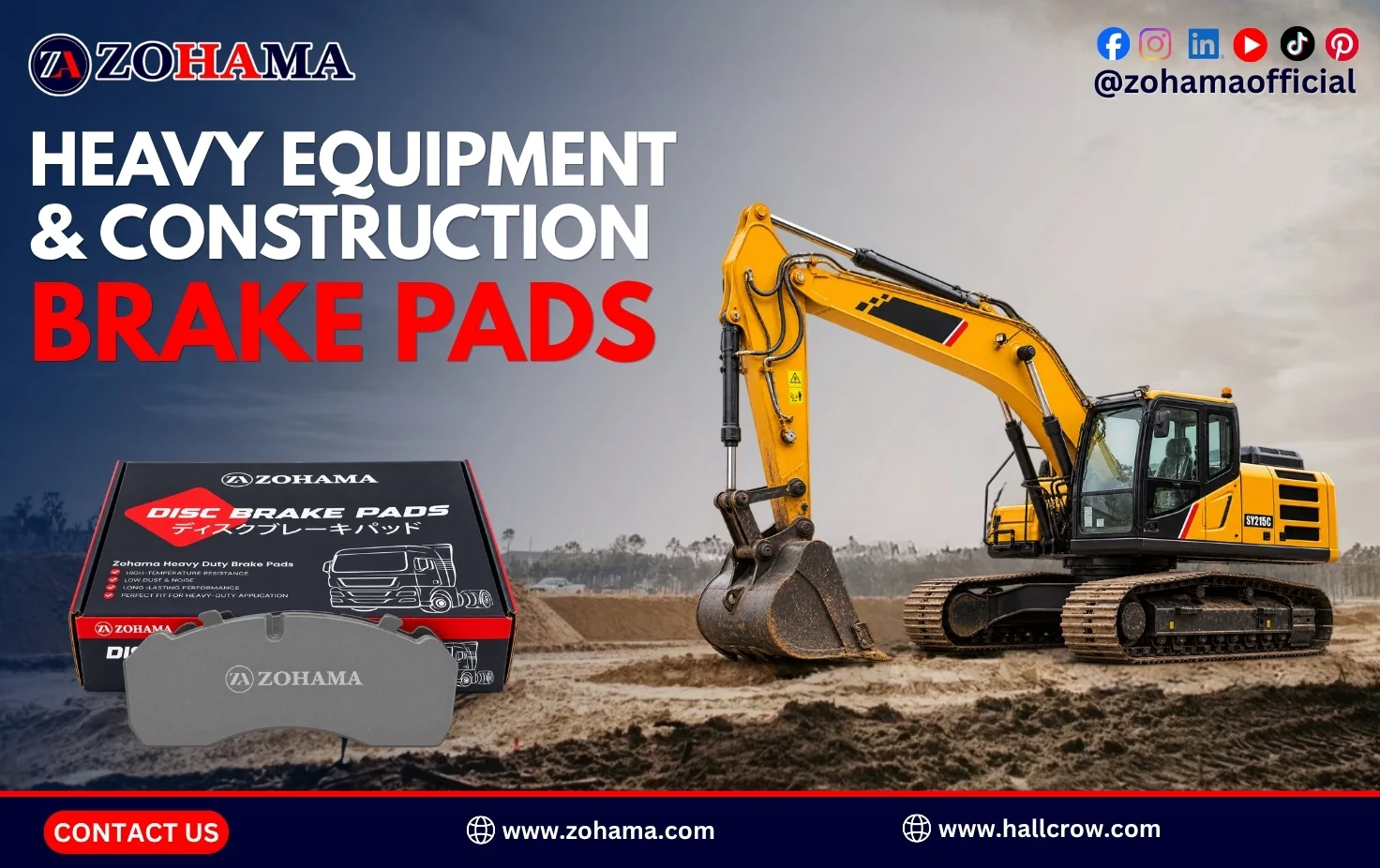
Heavy equipment and construction vehicles work in the harshest conditions any vehicle faces: dust, heat, extreme loads and relentless duty. Their brake pads take punishment that on-road truck pads never see, which makes durability the first priority and sourcing a decision to take seriously. For distributors in markets with active construction and mining sectors, off-highway and construction pads are a strong, often underserved line. This guide covers the conditions these vehicles face, what their pads demand, and how to source for them.
These vehicles sit at the toughest end of the commercial range. For the wider segment, see our heavy-duty truck brake pads page and our guide on sourcing heavy-duty brake pads from China.
Why Off-Highway Braking Is Different
Construction and heavy equipment brake in a world apart from the open road. They carry enormous weight, work at low speed with high torque, and operate in dust and heat that punish every component. The result is intense, repeated braking in abrasive conditions, where a pad built only for road use would wear out or fade quickly. Off-highway pads have to be tougher, plain and simple.
The Conditions These Vehicles Face
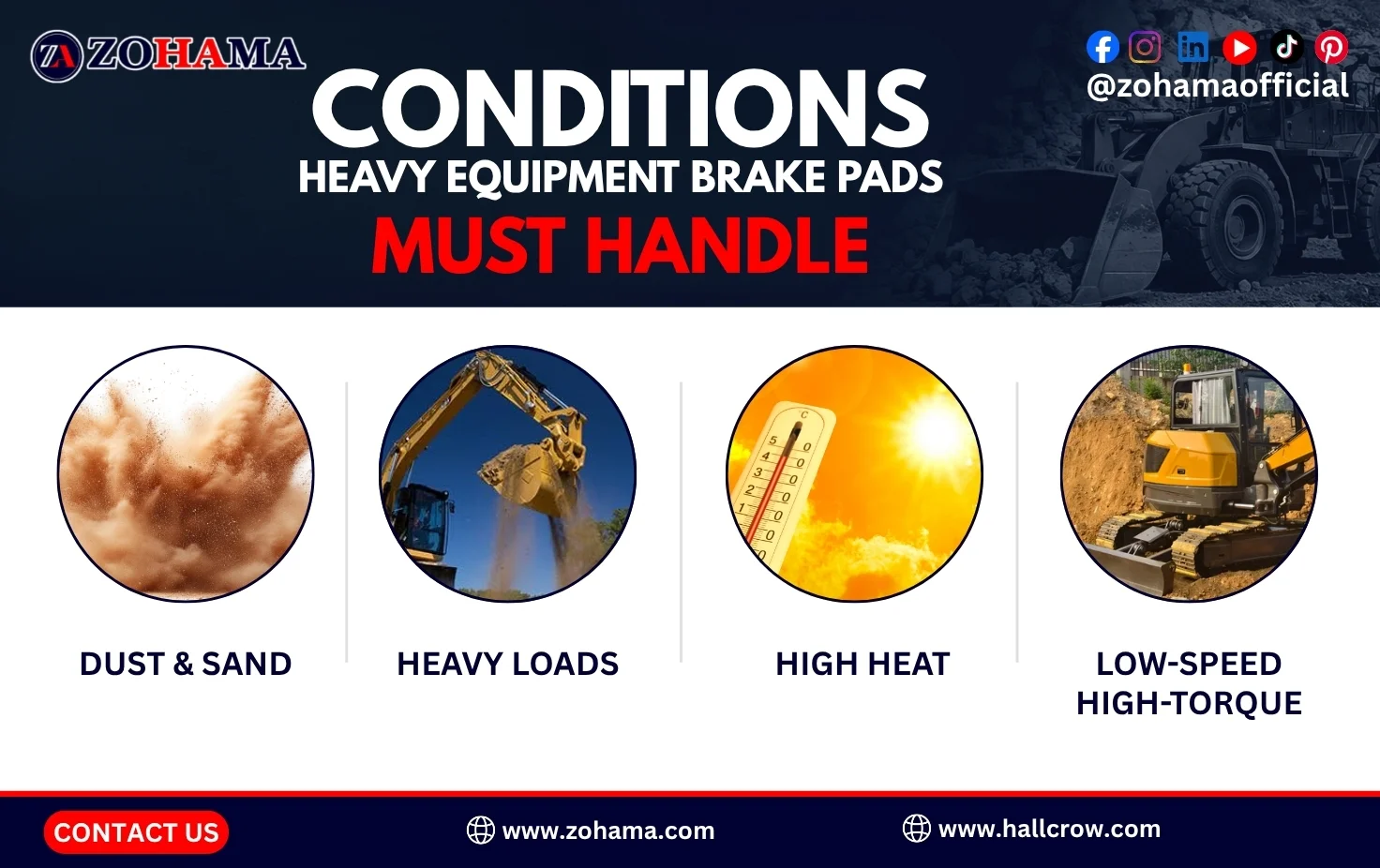
The demands on a construction or heavy-equipment pad come from the environment as much as the load:
| Condition | What it demands from the pad |
|---|---|
| Dust and sand | Abrasive grit wears pads and hardware fast, so durability is essential. |
| Heavy loads | Extreme weight generates high braking forces and heat. |
| High ambient heat | Common on construction and mining sites, adding to braking heat. |
| Low-speed, high-torque work | Repeated heavy braking at low speed stresses the friction material. |
A pad that handles all four is what these vehicles need, and it is why off-highway sourcing calls for materials and quality built for severe duty.
The Vehicles This Covers
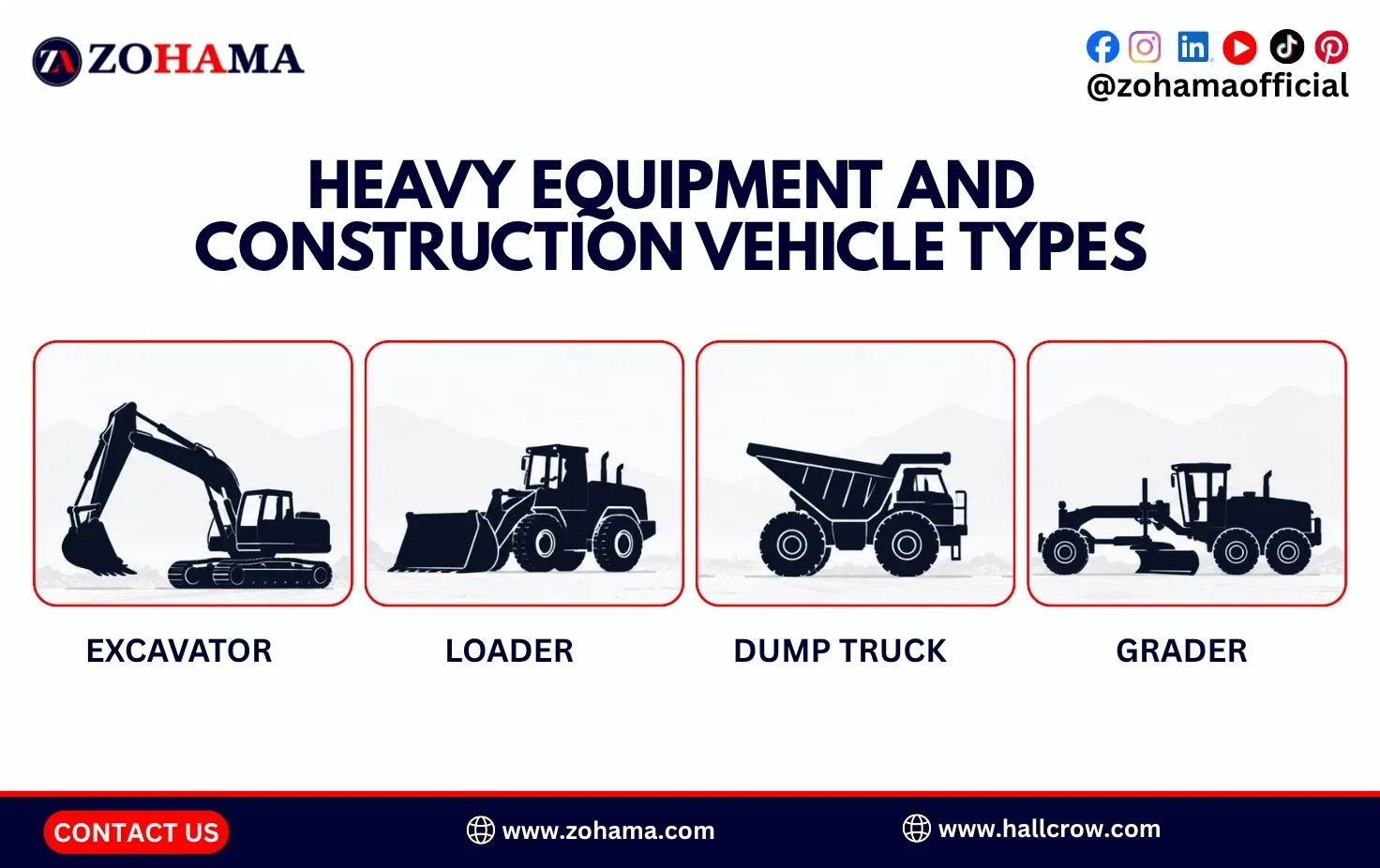
Heavy equipment is a broad category, and a strong range spans the machines a construction or mining operation actually runs:
- Excavators and loaders, working continuously on site.
- Rigid and articulated dump trucks, carrying the heaviest loads.
- Graders and dozers, in earthmoving and roadbuilding.
- Mining and quarry vehicles, in the most abrasive conditions of all.
This complements agricultural and other off-highway machines, which share many of the same demands.
Which Materials Suit Heavy Equipment
Severe duty points firmly toward the toughest friction materials. Semi-metallic leads for its heat handling and durability under sustained heavy load, with low-metallic also strong for demanding use. Comfort-focused materials have little place here. Our brake pad materials for trucks and towing guide explains how each behaves under load.
Getting Fitment Right
Off-highway machines use precise references that must match exactly, so confirm every one. Identify each pad by OEM and WVA number using our WVA numbers for commercial brake pads guide and brake pad part-number lookup, and verify against OEM brake pads specifications before ordering.
The GCC and Africa Construction Opportunity
Off-highway pads are a real commercial opportunity in markets with heavy construction and mining activity. Across the GCC and Africa, large infrastructure and resource projects keep fleets of heavy equipment working hard in high heat and dust, and this demand is often underserved by distributors focused only on on-road trucks. It ties closely to the heat challenges covered in our guide on hot-climate and desert truck brake pads.
Sourcing for Heavy Equipment
Because these pads work in severe conditions, source from a supplier who tests for durability and heat, and confirm quality on every batch. See our quality checks for brake pads. If you want a certified manufacturer with coverage for construction and heavy equipment, explore our distributor and partner program to request a catalogue and pricing for your market. See also our brake pads for commercial vehicles range.
Frequently Asked Questions
What makes heavy equipment brake pads different?
They work in dust, heat and extreme loads at low speed with high torque, punishing conditions that on-road pads are not built for. Durability is the first priority, ahead of comfort.
Which material is best for construction vehicles?
Semi-metallic leads for heat handling and durability under sustained heavy load, with low-metallic also strong for demanding use. Comfort-focused materials have little place in off-highway duty.
Which vehicles does this cover?
Excavators, loaders, rigid and articulated dump trucks, graders, dozers, and mining and quarry vehicles, along with other off-highway machines that share the same severe demands.
Where is demand for these pads strongest?
In markets with active construction and mining, such as the GCC and parts of Africa, where large projects keep heavy equipment working hard in heat and dust. It is often underserved by on-road focused distributors.
Conclusion
Heavy equipment and construction vehicles put their brakes through the toughest conditions of all, so durability and quality decide whether a pad performs. Match tough materials to the severe duty, confirm fitment by OEM and WVA number, source from a supplier who tests for these conditions, and target the construction and mining demand that many distributors miss. Do that and off-highway pads become a strong, differentiated line in your range.