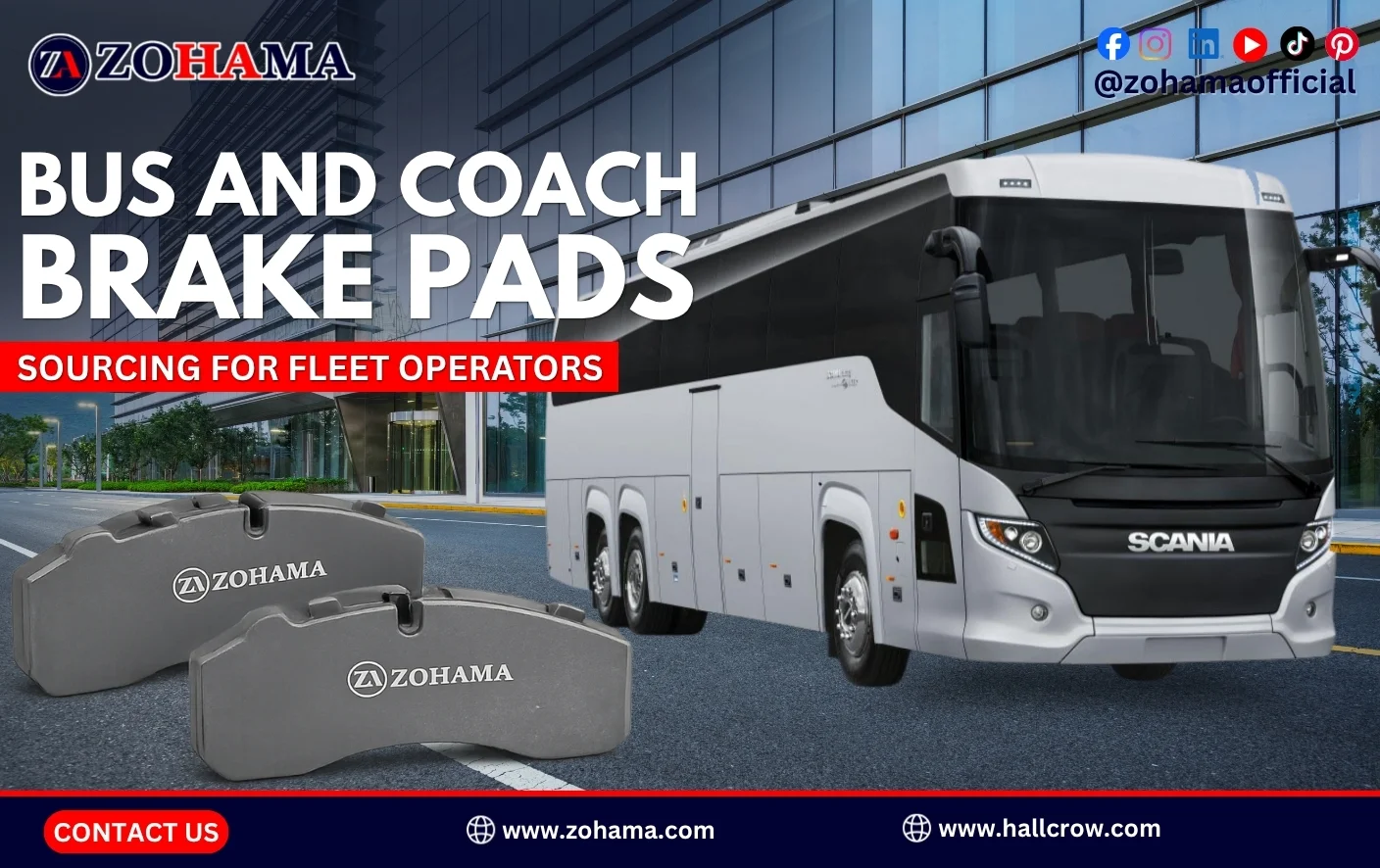
Bus and coach brake pads carry a responsibility that few other parts share: they stop vehicles full of passengers. That makes them safety-critical in a way that sharpens every sourcing decision, and it makes reliability and comfort matter as much as raw stopping power. For distributors serving transit authorities and coach operators, bus and coach pads are a steady, high-value line, but only when matched correctly to how the vehicles are used. This guide covers how bus and coach duty differs, what fleets demand, which materials fit, and how to source at volume.
Buses and coaches sit within the commercial range. For the wider segment, see our brake pads for commercial vehicles and heavy-duty truck brake pads pages.
Why Bus and Coach Brakes Are a Distinct Challenge
Buses and coaches combine heavy weight with the duty of carrying people, so their brakes work hard and cannot be allowed to fail. A city bus brakes hundreds of times a day, while a coach may brake hard from high speed on a long descent. Both generate serious heat, and in either case brake fade is a safety risk with passengers on board. This is why bus and coach pads deserve the same care in sourcing as any heavy truck pad.
City Transit and Intercity Coach: Two Different Duties
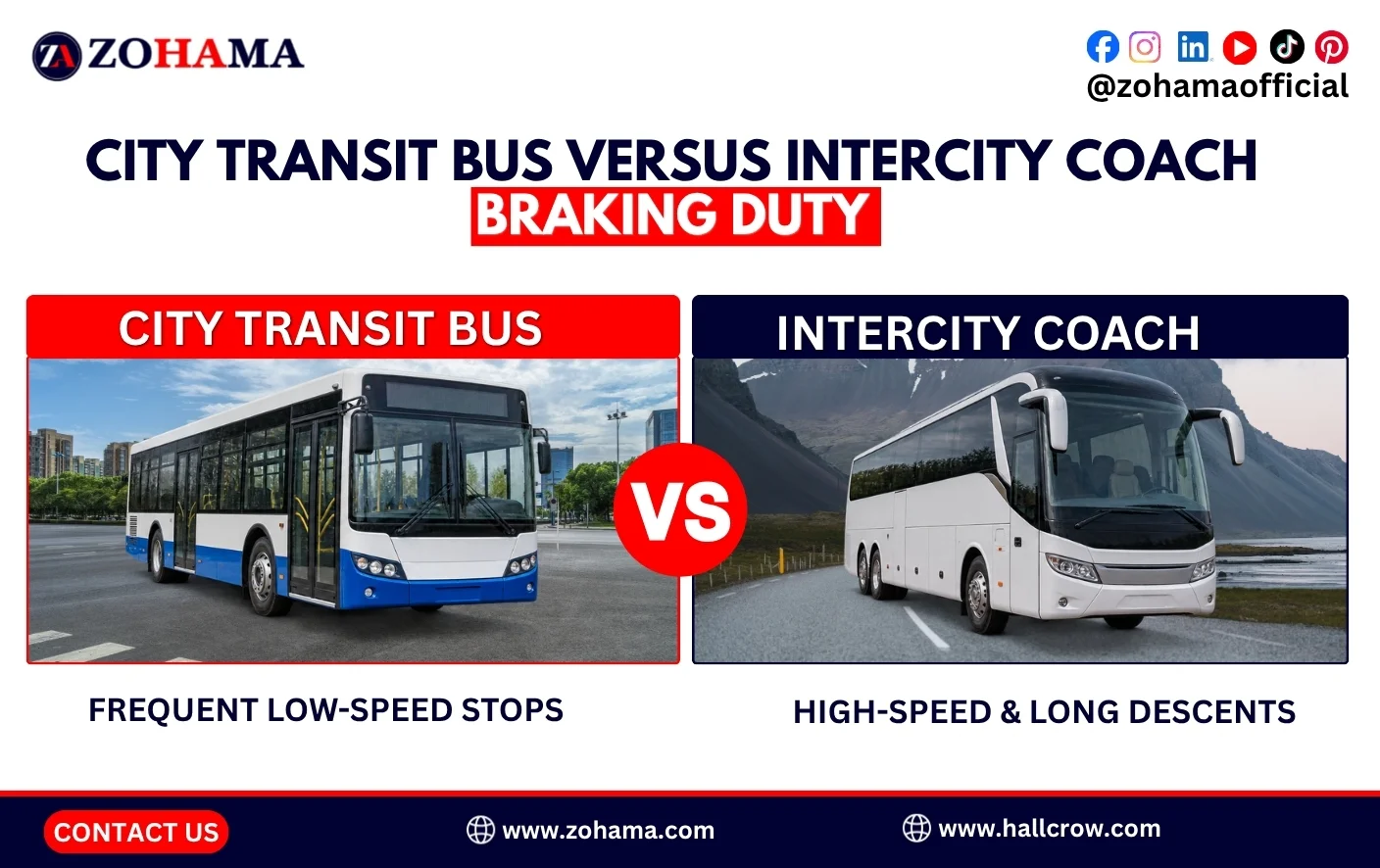
A city transit bus and an intercity coach are both passenger vehicles, but their braking duty is very different, and the right pad reflects that:
| City transit bus | Intercity coach | |
|---|---|---|
| Braking pattern | Constant stop-and-start all day. | Long runs with high-speed braking. |
| Main demand | Wear resistance and low noise for frequent stops. | Heat and fade resistance on long descents. |
| Priority | Long life and quiet, comfortable braking. | Stable performance at speed and under load. |
Knowing which duty a fleet runs is the first step to matching the right pad, and a distributor who understands the difference advises far better.
What Bus and Coach Fleets Demand
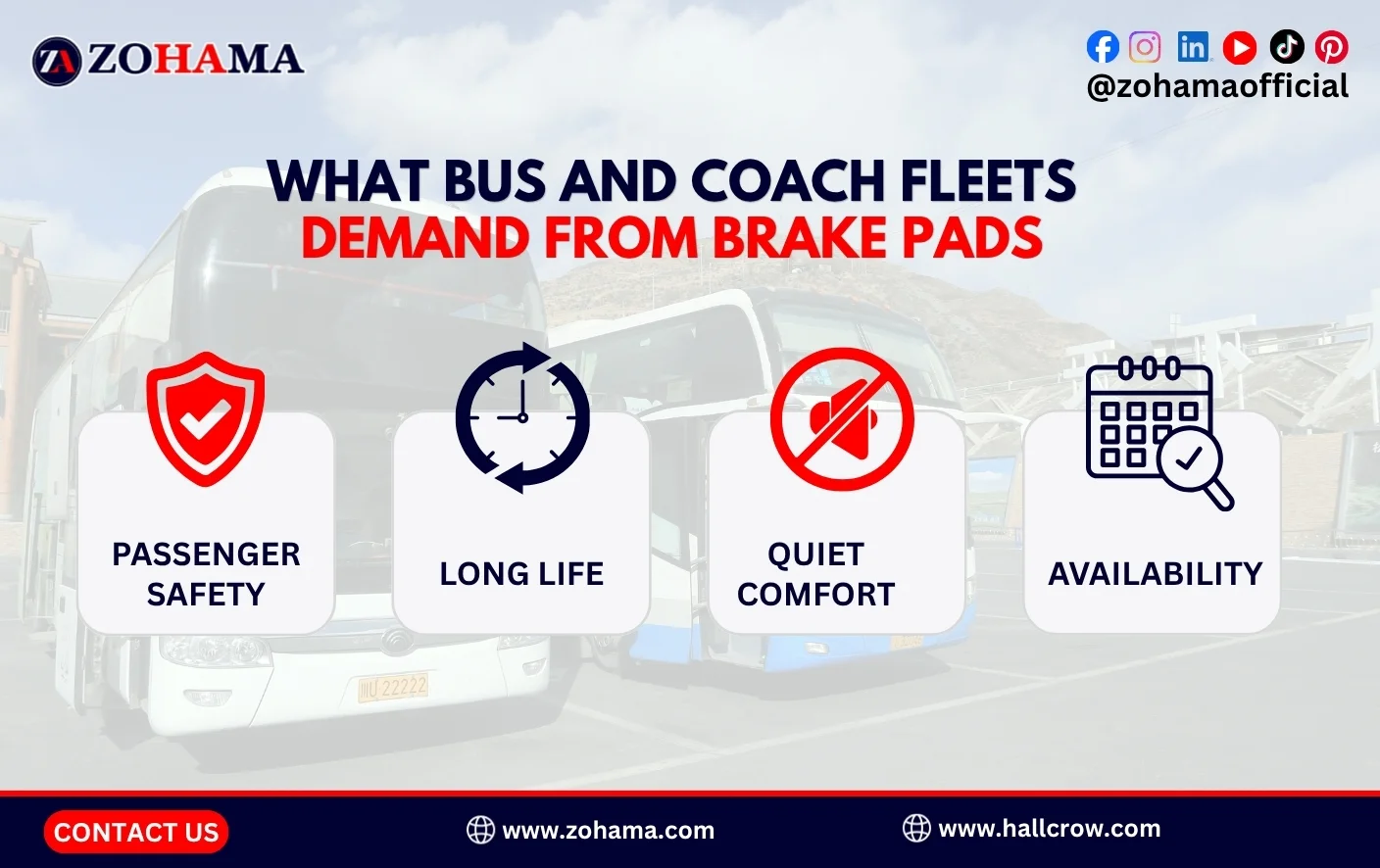
Fleet operators judge a pad on the things that keep a passenger service running safely and on time:
- Passenger safety, with dependable, fade-resistant braking above all else.
- Long service life, so vehicles spend more time in service and less in the workshop.
- Quiet, comfortable braking, which matters on passenger vehicles.
- Reliable availability, because a bus off the road disrupts a scheduled service.
Which Materials Suit Buses and Coaches
Bus and coach duty leans toward tougher materials that handle heat and last. Semi-metallic suits the heat and load of coach work and heavy transit buses, while low-metallic offers strong, consistent braking with reasonable comfort for mixed duty. Our guide on brake pad materials for trucks and towing explains how each behaves under load.
Getting Fitment Right
Bus and coach fleets often run brands such as Yutong and King Long alongside European makes, so exact fitment matters. Identify each pad by OEM and WVA number using our WVA numbers for commercial brake pads guide and brake pad part-number lookup, and verify against OEM brake pads specifications before ordering.
Sourcing Bus and Coach Pads at Volume
Bus and coach demand is steady and repeat, which suits volume buying on the common references. Forecast fleet usage, keep the fast movers in stock, and confirm quality on every batch, since these are passenger vehicles. See our quality checks for brake pads and our guide on bulk buying brake pads.
Build Your Bus and Coach Range
Bus and coach pads are a dependable, high-trust line for distributors serving transit and coach operators. If you want a certified manufacturer with coverage across bus and coach applications, including brands like Yutong and King Long, explore our distributor and partner program to request a catalogue and pricing for your market.
Frequently Asked Questions
What makes bus and coach brake pads different?
They stop vehicles full of passengers, so they are safety-critical, and they combine heavy weight with hard duty. Transit buses brake constantly at low speed, while coaches brake hard from high speed, and the pad must suit the duty.
Which material is best for buses and coaches?
Semi-metallic suits the heat and load of coach work and heavy transit buses, while low-metallic offers strong braking with reasonable comfort for mixed duty. Both should be matched to how the fleet runs.
How is transit duty different from coach duty?
City transit buses brake constantly at low speed and need wear resistance and quiet braking, while intercity coaches brake hard from high speed and need heat and fade resistance on long descents.
Do you cover brands like Yutong and King Long?
Yes. Bus and coach fleets often run Yutong and King Long alongside European makes, and coverage should span the brands a market actually operates, matched by OEM and WVA number.
Conclusion
Bus and coach brake pads carry passengers, so safety and reliability sit at the centre of every sourcing decision. Understand whether a fleet runs transit or coach duty, match the material to that duty, get fitment exactly right across the brands in service, and hold quality to a high standard. Do that and bus and coach pads become a steady, high-trust line for operators who cannot afford to compromise.