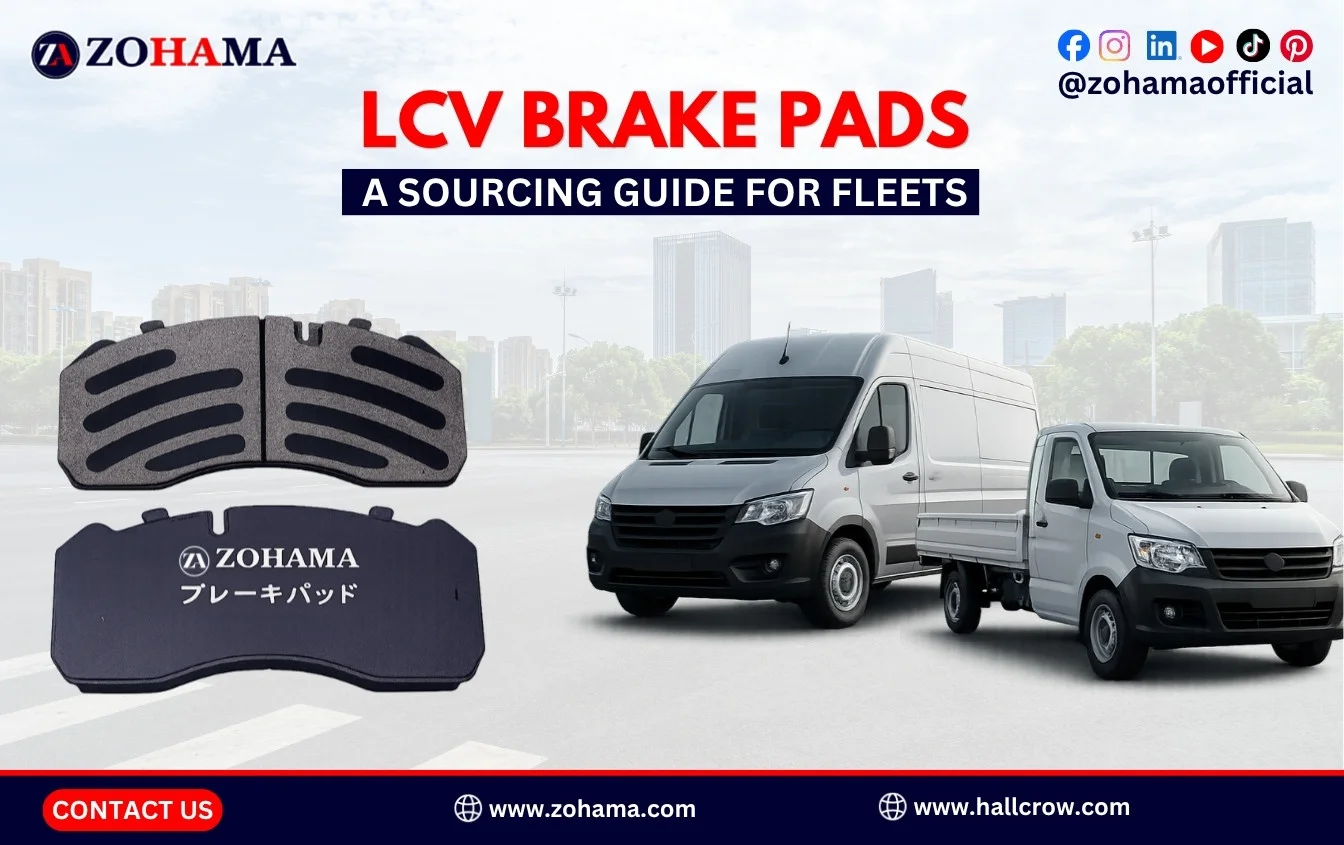
Light commercial vehicles, the vans and light pickups that keep businesses moving, work far harder than a family car. They carry loads, cover high mileage and cannot afford downtime, which makes their brake pads a distinct segment with distinct demands. For distributors serving fleets and workshops, LCV pads are a valuable line, but only if you source for durability, availability and cost over the vehicle’s working life. This guide covers why LCV pads are different, what fleet buyers want, which materials fit, and how to source for fleet demand.
This segment bridges passenger and commercial. See our overview of brake pads for heavy and light vehicles and brake pads for commercial vehicles for the wider range.
Why LCV Brake Pads Are a Distinct Segment
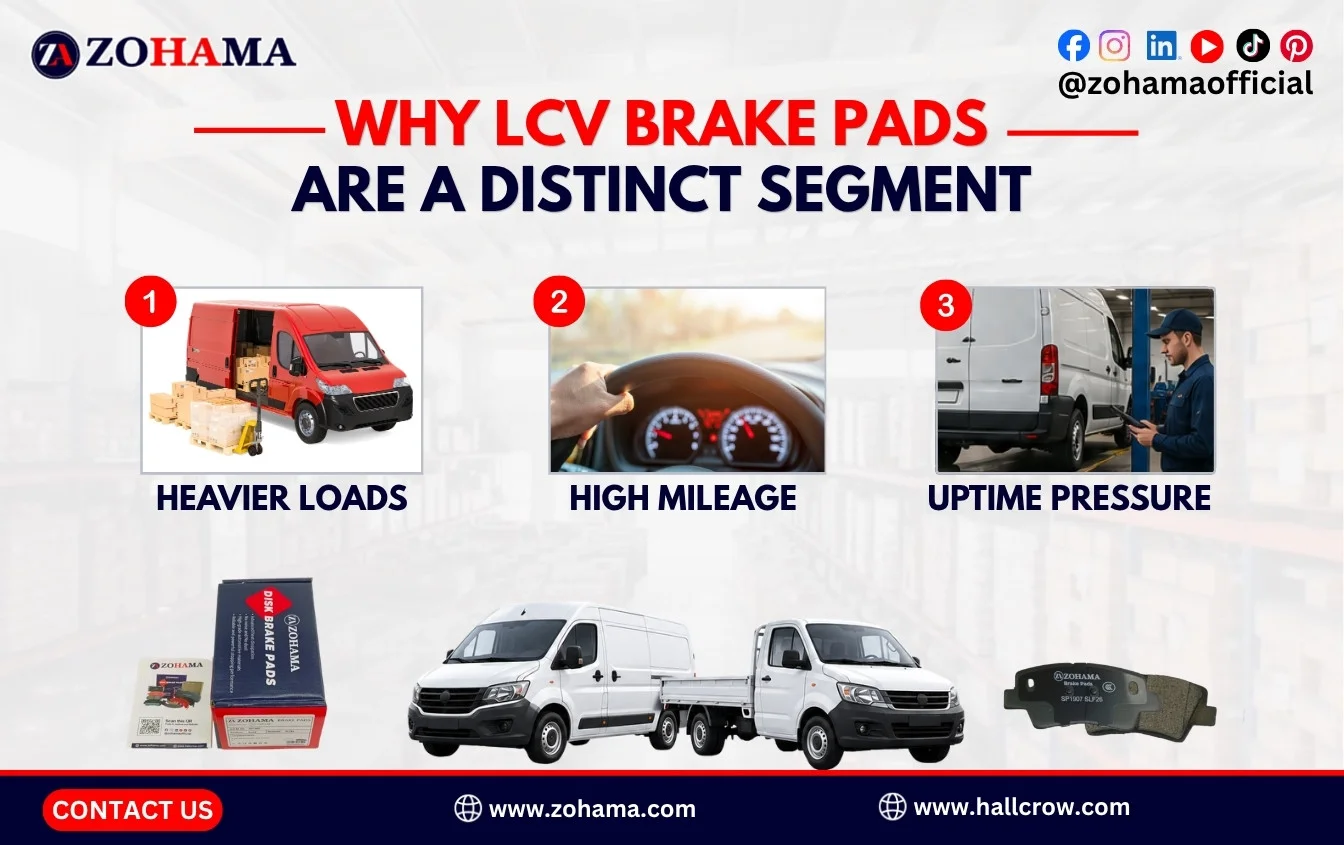
A light commercial vehicle is used differently from a passenger car, and its brakes reflect that. As a commercial vehicle, an LCV typically faces:
- Heavier loads. Carrying goods puts more sustained demand on the brakes.
- High mileage. Working vehicles cover far more distance, so pads wear faster.
- Uptime pressure. A vehicle off the road costs the business money, so reliability is critical.
What LCV & Fleet Buyers Want
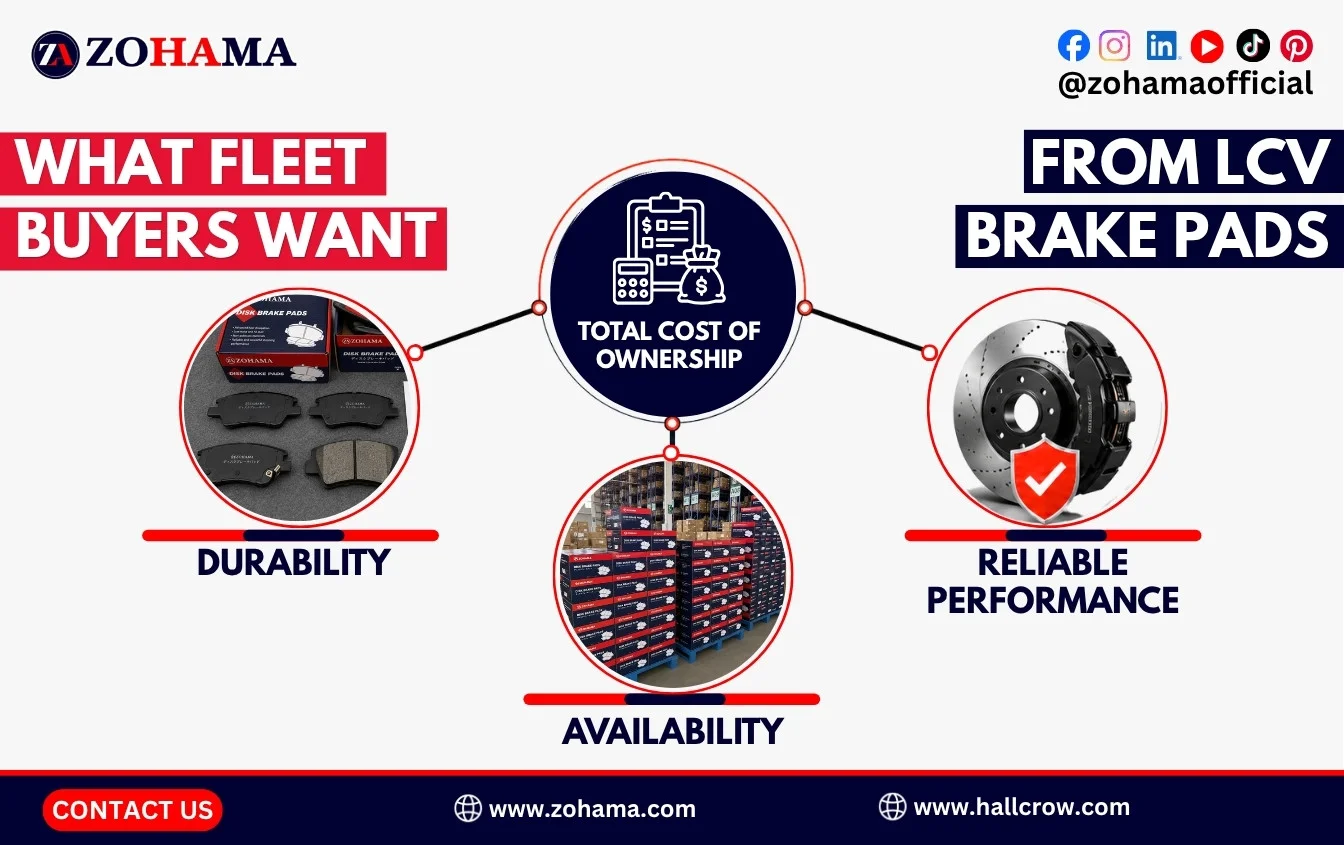
Fleet and commercial buyers think in terms of total cost of ownership, not just the price of a pad. To win them, your product needs to deliver:
- Durability, so pads last under load and reduce replacement frequency.
- Consistent availability, so fleets are never stuck waiting for stock.
- Reliable performance, for safety under the loads these vehicles carry.
Which Materials Fit LCVs
LCV use leans toward materials that handle load and heat, though lighter LCVs allow more choice:
| Material | Why it fits light commercial vehicles |
|---|---|
| Low-metallic | Strong bite and heat handling for loaded, high-mileage LCV use. |
| Semi-metallic | Maximum heat and durability for the heaviest-working vans and pickups. |
| NAO / ceramic | Suited to lighter LCVs and comfort-focused fleet use. |
Our sourcing guides for low-metallic and semi-metallic cover the heavier-duty options, and matching brake pad material to market helps you choose the mix for your fleets.
What to Look for When Sourcing LCV Pads
Because LCVs work harder, quality shows under load. When sourcing, focus on:
- Proven load and heat performance, backed by test data.
- Durability, for a longer service life and lower total cost.
- The compliance your market requires, such as ECE R90.
- Coverage of common LCV models in your market, confirmed by reference.
Confirm each reference correctly with our brake pad part-number lookup guide, and vet the maker using our guide on choosing a passenger car brake pad supplier.
Sourcing for Fleet Demand
Fleets buy on a rhythm and cannot tolerate stockouts, so plan supply around their demand. Forecast usage, keep the common LCV references in stock, and order in volume for a better price. For the volume-buying process, see our guide on bulk buying car brake pads.
Quality Checks for Working Vehicles
On a loaded, high-mileage vehicle, a weak pad is a safety and reliability risk, so quality control is non-negotiable. Approve a sample, check every batch against it, and confirm compliance. See our quality checks for car brake pads.
Build Your LCV Range
LCV pads are a durable, repeat-demand line that bridges your passenger and commercial ranges. If you want a manufacturer with coverage of common light commercial vehicles at consistent, load-tested quality, explore our distributor and partner program to request a catalogue and pricing for your market.
Frequently Asked Questions
Why are LCV brake pads different from passenger car pads?
Light commercial vehicles carry loads, cover high mileage and cannot afford downtime, so their pads must handle more sustained demand and last longer under load.
Which material is best for LCV brake pads?
Low-metallic and semi-metallic suit loaded, high-mileage LCV use for their heat handling and durability, while lighter LCVs can use NAO or ceramic. Match the material to the vehicle and use.
What do fleet buyers care about most?
Total cost of ownership: durability that reduces replacements, consistent availability so vehicles stay on the road, and reliable performance under load.
How should I source LCV pads for fleets?
Forecast fleet usage, keep common references in stock, order the fast movers in volume, and never skip quality checks on vehicles that work under load.
Conclusion
Light commercial vehicle brake pads are a distinct, durable, repeat-demand segment that rewards distributors who source for the working life of the vehicle. Understand why LCVs are different, give fleet buyers the durability and availability they need, match materials to load and use, and hold quality to a high standard. Do that and LCV pads become a dependable bridge between your passenger and commercial ranges.