Your brakes are the single most important safety system on your vehicle. Yet most drivers, mechanics, and even fleet managers pick brake pads based on price alone, without understanding how the compound type affects stopping power, rotor life, noise, and long-term maintenance costs.
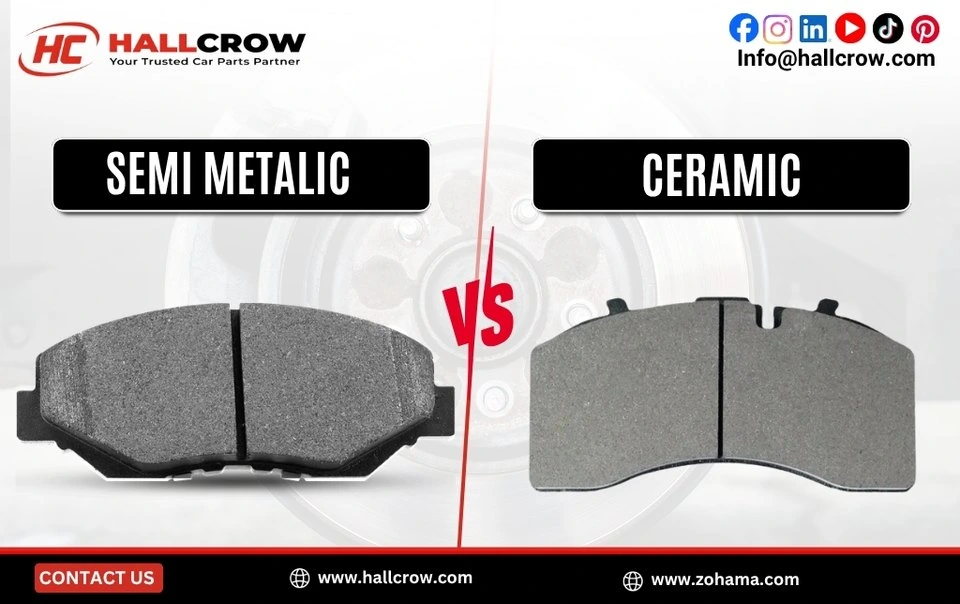
There are several types of break pads available in the market today, but the two most popular in the aftermarket are semi-metallic and ceramic. Both stop your car. But they do it differently, and choosing the wrong one for your driving conditions can mean shorter rotor life, louder braking, fading performance under load, or higher replacement costs down the road.
This guide breaks down everything you need to know about ceramic vs semi-metallic brake pads, with a detailed comparison, real-world use cases, and a dedicated section for wholesale buyers and importers.
What Are Semi-Metallic Brake Pads?
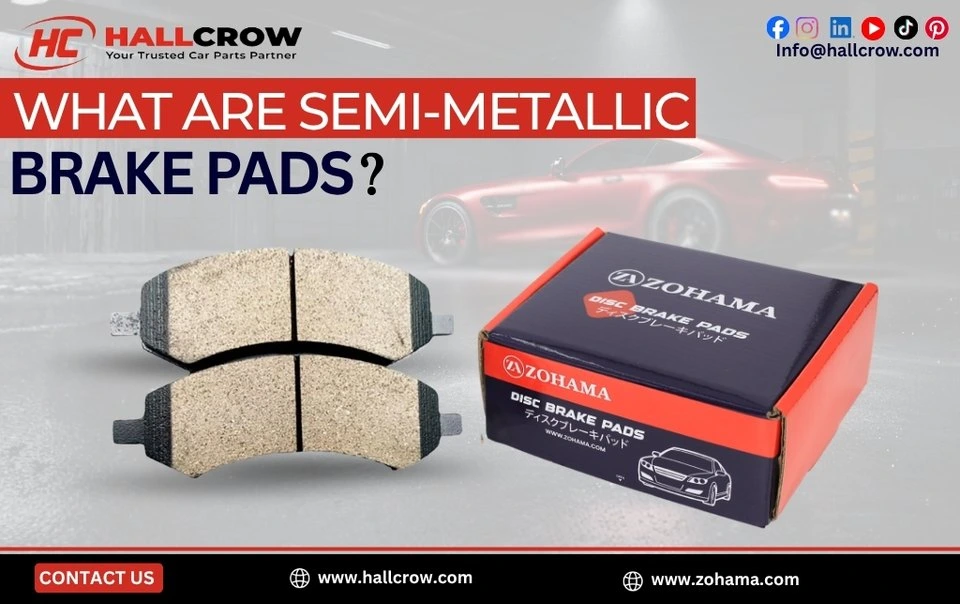
Semi-metallic brake pads are made from a mixture of metal fibers and other materials bonded together with a resin compound. The metal content typically ranges from 30% to 65% and usually includes:
- Steel fibers or shavings
- Copper or iron powder
- Graphite lubricants
- Synthetic fillers and bonding agents
This heavy metallic composition is what gives semi-metallic pads their aggressive braking character.
Performance Characteristics
Semi-metallic pads excel in high-stress braking situations. The metal content conducts heat away from the braking surface quickly, which reduces the risk of brake fade during repeated hard stops. This makes them the go-to choice for towing, mountain driving, performance vehicles, and fleet trucks that see heavy daily use.
They provide excellent cold-bite, meaning they perform reliably even before the brakes have warmed up. This is a major advantage in cold climates and for vehicles that sit overnight.
Heat Dissipation
The metallic content makes these pads highly effective at absorbing and transferring heat. According to Bridgestone’s technical comparison of ceramic and metallic brake pads, semi-metallic pads maintain more consistent stopping power under sustained braking compared to other compounds. This is why you find them as OEM equipment on heavy trucks, police vehicles, and performance cars.
Pros of Semi-Metallic Brake Pads
- Excellent stopping power across a wide temperature range
- Strong cold-weather braking performance
- Superior heat dissipation under heavy use
- Better suited for towing, hauling, and high-load driving
- Generally more affordable than ceramic options
- Long service life when used in appropriate applications
Cons of Semi-Metallic Brake Pads
- Produce more brake dust, which can coat wheels
- Noticeably noisier than ceramic, especially during light braking
- Can cause faster rotor wear due to the harder metallic compound
- Not ideal for luxury vehicles or drivers who prioritize a quiet, smooth feel
- Performance can degrade at very high temperatures if the compound is not designed for track use
What Are Ceramic Brake Pads?
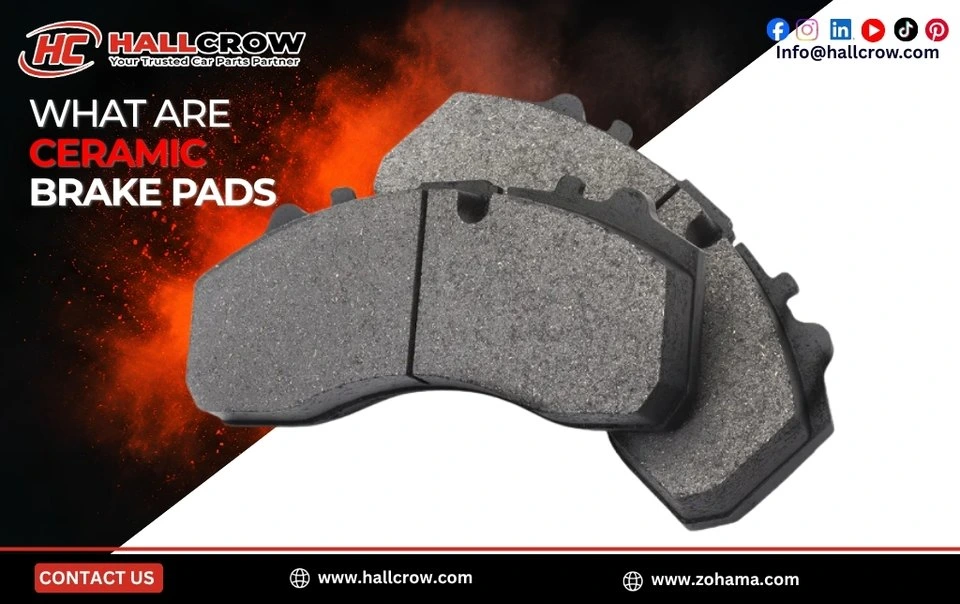
Ceramic brake pads are made primarily from ceramic fibers, bonding agents, and small amounts of copper or other metal particles. The ceramic compound was developed specifically to address the noise and dust problems associated with metallic brake pads.
Materials Used
The ceramic used in these pads is similar in concept to the materials used in industrial ceramics, heat-resistant and dense but lighter than metal. The compound typically includes:
- Dense ceramic fibers
- Nonferrous metal particles (copper, in most formulations)
- Filler materials and bonding agents
Note: Due to environmental regulations in the US and Europe, many manufacturers have begun phasing out copper content in ceramic pads, replacing it with alternative materials to reduce water pollution from brake dust runoff.
Smooth, Quiet Braking
Ceramic pads are widely regarded as the gold standard for smooth, quiet daily driving. The compound is gentler on rotors and produces a fine, light-colored dust that is less visible on wheels compared to the dark, greasy residue from metallic pads.
They operate best within a moderate temperature range, making them ideal for normal passenger cars, SUVs, and luxury vehicles in everyday street conditions.
Pros of Ceramic Brake Pads
- Very low noise during braking
- Minimal brake dust, keeping wheels cleaner
- Gentler on brake rotors, extending rotor life
- Consistent, predictable stopping feel in daily driving
- Perform well across a wide range of everyday temperatures
- Better comfort experience for drivers of premium vehicles
Cons of Ceramic Brake Pads
- More expensive than semi-metallic pads
- Not ideal for heavy towing or extreme-load applications
- Can experience brake fade under very high heat conditions
- Reduced cold-bite compared to semi-metallic in freezing temperatures
- Not the best choice for heavy trucks or performance track driving
Semi-Metallic vs Ceramic Brake Pads Side-by-Side Comparison
| Feature | Semi-Metallic | Ceramic |
|---|---|---|
| Braking Performance | Excellent under heavy loads | Excellent for everyday driving |
| Stopping Power | Very high, especially when hot | High, consistent in normal conditions |
| Heat Resistance | Superior, handles extreme heat | Good for moderate heat, fades under extreme load |
| Noise Level | Moderate to high | Very low, near silent in most conditions |
| Brake Dust | Heavy, dark, visible on wheels | Light, fine, less visible |
| Lifespan | 30,000 to 70,000 miles depending on use | 40,000 to 75,000 miles in typical use |
| Rotor Wear | Higher wear on rotors | Lower wear, rotor-friendly |
| Cold Weather Performance | Excellent, strong cold-bite | Moderate, slightly slower warm-up |
| Towing Performance | Highly recommended | Not recommended for heavy towing |
| Daily Driving | Good, but noisier | Excellent, preferred choice |
| High-Speed Driving | Better heat management | Can fade at high sustained speeds |
| Price (Per Axle Set) | $20 to $60 (aftermarket) | $40 to $150 (aftermarket) |
| Maintenance Cost | Slightly higher rotor replacement | Lower overall maintenance |
| Best Vehicle Type | Trucks, SUVs, performance, fleet | Passenger cars, luxury, light SUVs |
| Wholesale Demand | High volume, price-sensitive market | Growing demand, premium segment |
Which Brake Pad Lasts Longer?
This is one of the most searched questions about brake pads, and the honest answer is: it depends.
Driving Habits Matter Most
Semi-metallic pads can wear faster if you drive aggressively in stop-and-go traffic because the harder compound generates more friction heat per stop. Ceramic pads in the same scenario may outlast them because their compound handles repeated light-to-moderate braking more efficiently.
However, in high-stress conditions like towing, semi-metallic pads last significantly longer. If you want to understand how long ceramic brake pads last across different driving conditions, the answer depends heavily on load, climate, and maintenance habits.
City vs Highway Driving
City driving involves constant braking at low to moderate speeds. Ceramic pads handle this comfortably and often deliver a longer service life in urban conditions.
Highway driving with infrequent heavy braking tends to favor semi-metallic pads, which can sit at operating temperature without degrading.
Climate Impact
Cold climates favor semi-metallic pads. Ceramic pads take longer to reach optimal operating temperature in freezing conditions, which means the compound works harder during those initial cold stops.
Hot climates have less impact on the longevity difference between the two types, though ceramic pads may show slightly more fade in extreme desert heat conditions if the vehicle is under heavy load.
Maintenance Effect
Regular brake inspections extend the life of both pad types. The key difference is rotor maintenance. Semi-metallic pads wear rotors more aggressively, so if you are not replacing rotors on schedule, the uneven rotor surface accelerates pad wear regardless of compound type.
With ceramic pads, rotors tend to stay in better condition longer, which indirectly extends pad life as well.
Which Brake Pad Is Better for Different Driving Needs?
Daily Commuting
Ceramic brake pads are the clear winner for daily city driving. The quiet operation, low dust, and consistent feel make every commute more comfortable. If your vehicle sees mostly stop-and-go traffic and light braking, ceramic is the smarter long-term investment despite the higher upfront cost.
Performance Driving
Semi-metallic pads are preferred for spirited driving and track days. The superior heat management and stronger bite at high temperatures give drivers more confidence during aggressive cornering and hard braking. Most performance OEM setups use metallic or semi-metallic compounds for this reason.
Towing
For towing anything, whether a boat, trailer, camper, or construction equipment, semi-metallic pads are the correct choice. The heat dissipation advantage under sustained load prevents the brake fade that can occur when ceramic pads are pushed beyond their thermal limits.
SUVs
This one depends on use. An SUV used for school runs and mall parking benefits from ceramic pads. An SUV used for off-road trips or hauling gear leans toward semi-metallic. Mid-range crossover SUVs in suburban use? Ceramic wins.
Trucks
Light-duty trucks used as daily drivers can run ceramic. But medium-duty and heavy-duty trucks, especially those towing or hauling regularly, should use semi-metallic. Braking safety under load is not a place to cut corners.
Luxury Vehicles
Ceramic pads are the standard for luxury vehicles. Manufacturers like BMW, Mercedes-Benz, and Audi equip their vehicles with ceramic-compatible systems. The quiet, refined braking feel matches the overall character of premium vehicles.
Fleet Vehicles
Fleet operators need to balance cost and durability. For most commercial fleets, semi-metallic pads offer the best value, with lower per-unit cost and strong performance across varied driving conditions. High-end corporate fleets running executive sedans may prefer ceramic for the lower maintenance perception.
Commercial Vehicles
Commercial vehicles, delivery vans, buses, and work trucks should use semi-metallic without exception. The load demands and constant braking cycles of commercial duty cycles require the heat resistance and stopping power that only semi-metallic compounds can reliably deliver.
Wholesale Buyer Perspective
If you are sourcing brake pads for resale, import, or distribution, understanding the market dynamics between these two types is just as important as knowing the technical differences.
Market Demand by Type
Semi-metallic brake pads continue to dominate volume in most global wholesale markets. They are the highest-volume SKU in truck, fleet, and commercial aftermarket channels. Price sensitivity is high in this segment, and buyers are primarily driven by cost-per-unit and fitment coverage.
Ceramic brake pads are growing rapidly, especially in passenger car and premium aftermarket channels. As more consumers research their purchases online, the demand for quiet, clean, long-lasting ceramic options is increasing in North America, Europe, and Southeast Asia.
Profitability Analysis
Ceramic brake pads carry significantly higher margins for wholesalers and distributors. While semi-metallic pads sell in larger volumes, the margin per unit is thinner. A balanced inventory strategy that includes both types will maximize both revenue and profit.
Ceramic sets selling at $60 to $150 retail allow for $15 to $40 margins at the wholesale level, whereas semi-metallic sets at $20 to $60 retail offer narrower spreads in competitive markets.
Customer Return Rates
Semi-metallic pads generally have lower return rates in professional and commercial channels because mechanics understand their application. In retail and e-commerce channels, returns on semi-metallic pads can be higher because consumers complain about noise without understanding that it is a characteristic of the compound.
Ceramic pads have lower consumer return rates overall, thanks to the quiet operation and cleaner wheel appearance that meets buyer expectations.
OEM vs Aftermarket Demand
OEM-quality ceramic brake pads command premium pricing and are in demand from dealerships and premium repair shops. Aftermarket semi-metallic pads dominate independent repair shop volume and fleet maintenance programs.
Importers who can offer OEM-equivalent ceramic pads at competitive wholesale prices are well-positioned to capture the growing premium aftermarket segment.
Regional Demand Trends
- North America: Balanced demand with growing ceramic preference in passenger car segment
- Europe: Stricter dust and noise regulations are accelerating ceramic adoption
- Middle East: High temperatures and heavy vehicle use keep semi-metallic demand strong
- Southeast Asia: Price-sensitive market with semi-metallic dominating volume, ceramic growing in urban markets
- South Asia: Semi-metallic leads in commercial and fleet segments by a wide margin
Inventory Considerations for Wholesalers
- Stock semi-metallic in high-volume universal fitments for truck and fleet buyers
- Build ceramic inventory around popular passenger car and crossover applications
- Prioritize fast-moving SKUs by vehicle application, not just compound type
- Consider stocking economy, mid-range, and premium tiers for both types to capture the full price range
- Low-dust ceramic pads are increasingly used as a sales pitch in markets with strict environmental regulations
Pros and Cons Summary
For a detailed breakdown of ceramic vs semi-metallic brake pad pros and cons, AAA provides an excellent independent consumer perspective. Here is our full summary:
Ceramic Brake Pads
Pros:
- Near-silent braking in normal driving conditions
- Very low brake dust production
- Gentler on brake rotors, reducing long-term rotor wear
- Consistent, smooth pedal feel for everyday driving
- Ideal for luxury vehicles and passenger cars
- Growing market demand in premium aftermarket channels
Cons:
- Higher purchase price compared to semi-metallic
- Not suitable for heavy towing or high-load applications
- Reduced cold-bite in freezing temperatures
- Can fade under extreme sustained heat
- Not recommended for performance track use
Semi-Metallic Brake Pads
Pros:
- Superior stopping power under heavy loads and high heat
- Excellent cold-weather braking response
- Strong heat dissipation, reducing brake fade risk
- Lower cost per unit, ideal for price-sensitive markets
- Best choice for trucks, commercial vehicles, and performance driving
- Wide availability across all vehicle categories
Cons:
- Noticeably noisier during braking, especially when cold
- Produces more brake dust, leading to dirty wheels
- Harder compound accelerates rotor wear
- Less comfortable driving feel for daily commuting
- Requires more frequent rotor inspection and replacement
Final Verdict – Which Brake Pad Should You Choose?
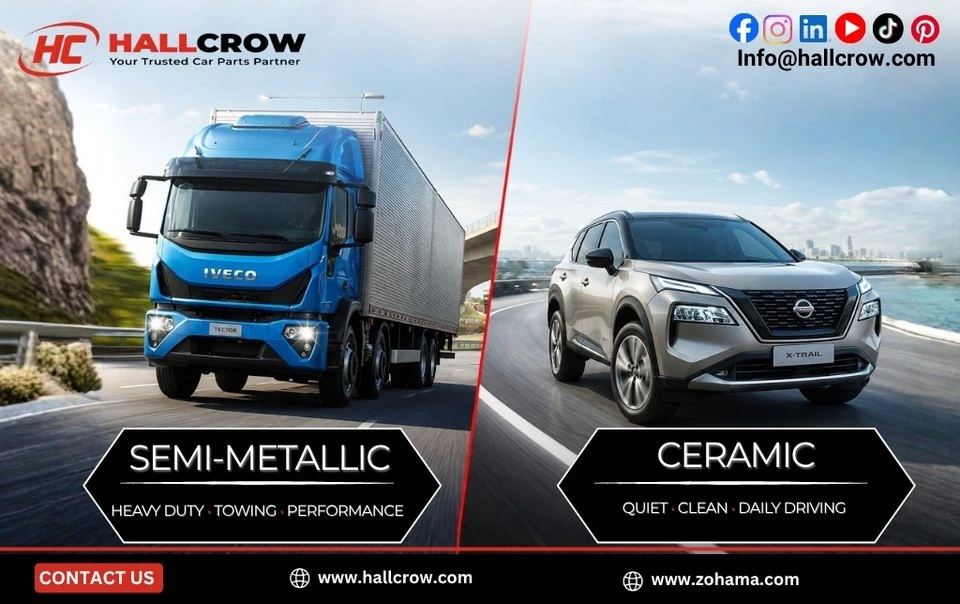
There is no single best brake pad that fits every vehicle and every driver. The right choice comes down to what you are driving, how you drive it, and what you value most in your braking experience.
Choose ceramic brake pads if:
- You drive a passenger car, crossover, or luxury vehicle
- Your priority is quiet, comfortable, low-dust braking
- You want to extend the life of your brake rotors
- Most of your driving is urban or highway commuting
Choose semi-metallic brake pads if:
- You drive a truck, van, or commercial vehicle
- You regularly tow or haul heavy loads
- You live in a cold climate where cold-bite performance matters
- You want strong braking performance at a lower price point
- Your vehicle sees high-stress or performance driving conditions
For wholesale buyers and distributors, the smartest approach is stocking both. Semi-metallic pads will drive your volume and keep commercial accounts satisfied. Ceramic pads will grow your margins and capture the expanding premium aftermarket.
Both types are reliable, proven, and widely used by manufacturers around the world. Still comparing your options? Read our full guide on ceramic vs organic brake pads to see how a third compound type stacks up before making your final decision.
Frequently Asked Questions
Are ceramic brake pads worth the extra cost?
For most passenger car drivers, yes. The reduced noise, lower dust, and longer rotor life offset the higher upfront cost over time. For heavy-duty applications, semi-metallic pads deliver better value.
Do semi-metallic brake pads stop faster than ceramic?
In heavy-load or high-heat conditions, semi-metallic pads can provide stronger initial bite. For normal passenger car driving, the difference in stopping distance is minimal.
Can I switch from semi-metallic to ceramic brake pads?
Yes, in most cases. Always verify that the ceramic pad is compatible with your vehicle’s caliper system and rotor specification. Some high-performance vehicles may require semi-metallic for OEM thermal management.
Do ceramic brake pads damage rotors?
Ceramic pads are notably easier on rotors than semi-metallic compounds. This is one of the primary reasons luxury and passenger car manufacturers prefer them.
Which brake pad type is best for towing?
Semi-metallic pads are strongly recommended for towing. The heat resistance and sustained stopping power under load make them the safer choice for towing applications.
Why do my semi-metallic brake pads squeal?
Noise is a characteristic of the metallic compound, especially during cold starts or light braking. Anti-squeal shims and proper bedding-in procedures can reduce noise, but some level of sound is normal with semi-metallic pads.